
A good night’s sleep isn’t just about the number of hours; it’s when your body truly relaxes and you wake up feeling alert and refreshed. To achieve such sleep quality, the mattress you lie on every day plays a crucial role. So, do you know how to choose a mattress that ensures healthy firmness, supporting your body while maintaining correct spinal posture? Let Felix Mattress Company help you find the ideal mattress for your specific needs in the article below.
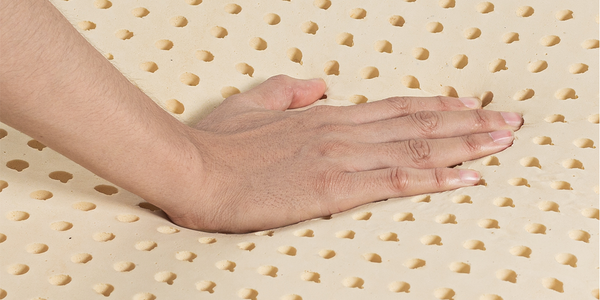
What is a Firm Mattress? What is a Soft Mattress?
Both firm and soft mattresses have unique characteristics that affect sleeping posture and sensation. Understanding these differences will help you choose a healthy firmness level that supports your body and provides a comfortable sleep.
What is a Firm Mattress?
Firm mattresses are typically made from pressed cotton or springs, featuring a flat surface and sturdy support. This type helps keep the spine stable and offers optimal body support, ideal for those who need to maintain a standard sleeping posture.
What is a Soft Mattress?
A soft mattress offers a cozy surface with moderate elasticity, often made from natural latex or foam. This type gently contours to the body, creating a pleasant feeling for those who prioritize softness.
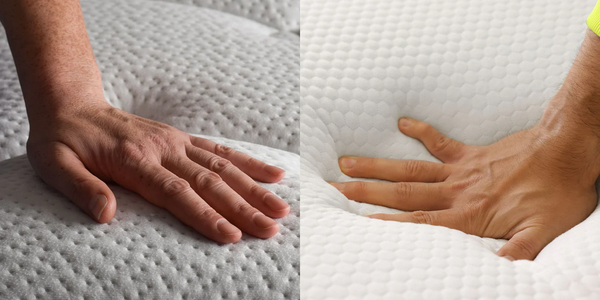
Characteristics of Firm and Soft Mattresses
When choosing a mattress, considering firmness, material, and support is vital to matching your body and sleep style. Understanding the fundamental characteristics between firm and soft mattresses will give you a comprehensive overview before making a decision.
Characteristics of Firm Mattresses
Firm mattresses have a solid structure with a uniform surface and low elasticity, preventing the body from sinking too deep. Common thicknesses range from 9-15 cm, suitable for younger people or those under 40, while evenly distributing body weight and maintaining natural spinal alignment.
Characteristics of Soft Mattresses
Soft mattresses feature a plush surface and moderate elasticity, offering a body-contouring feel. Common thicknesses range from 10-20 cm, helping distribute weight evenly and reducing pressure on contact points like the shoulders, hips, and back.
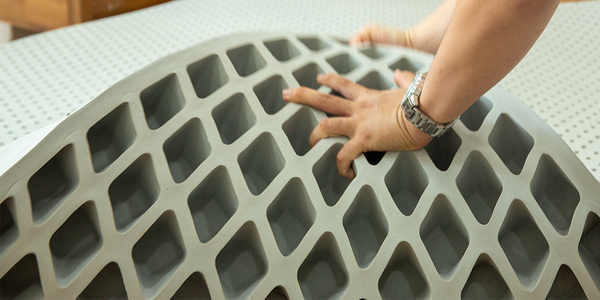
Mattress Firmness Scale
Every mattress has different elasticity and support based on material and structure. To easily compare and choose a healthy firmness, you can refer to a 10-level scale, from extra soft to extra firm:
- Extra Soft (1–2): Very plush surface, usually with multiple soft foam layers, creating a deep contouring feel.
- Soft (3–4): Suitable for light individuals or those with a healthy spine. If your back is weak, side sleeping is recommended to reduce pressure.
- Medium (4–5): Moderate elasticity, adapts easily to various sleeping styles; the most popular choice.
- Medium-Firm (6–7): Offers a solid feel and better support, working well for many body types and weights.
- Firm (7–8): Excellent support for heavier individuals or those needing distinct spinal alignment.
- Extra Firm (9–10): Typically preferred for those with orthopedic issues or very high body weight.
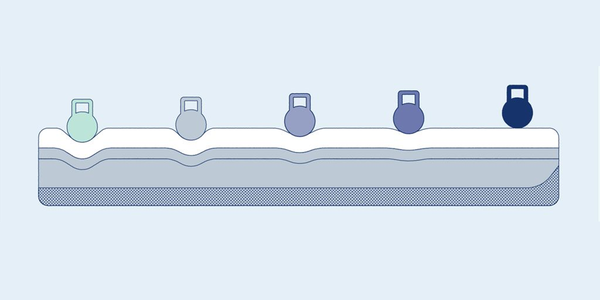
How to Test Mattress Firmness for Health
Firmness levels significantly impact posture and support. To test, you can press down firmly with your hand to observe the sinkage or punch lightly to see the resilience. Finally, lie down and change positions to feel if the firmness matches your needs. Direct experience is always the most accurate selection method.

Evaluation of Current Mattress Types
Pressed Cotton vs. Foam Mattresses: Pressed cotton has a flat surface and is quite firm due to compressed polyester fibers, offering stable support. Foam mattresses, meanwhile, stand out for their softness and contouring, allowing for gentle relaxation.
Spring mattresses offer firmness similar to pressed cotton; however, they have the advantage of being adjustable via the structure and thickness of the spring system.
Finally, natural latex mattresses stand out due to natural elasticity and body-contouring support. They keep the spine in a neutral state, reducing pressure on the shoulders, back, and hips. They offer a firm-yet-plush feel—the perfect balance of healthy firmness and relaxation.
Choosing the Right Firmness Level
Firmness affects sleep quality and support. This factor should be considered based on age, weight, health status, and needs to ensure effective spinal support.
Choosing Healthy Firmness by Weight
The ideal firmness level depends on weight, directly impacting spinal support. Here are the suitable options:
For Light Individuals
For those weighing under 60 kg, soft mattresses are ideal, contouring closely while feeling airy. Suitable firmness usually ranges from 3–5. Core materials should be soft enough while the surface remains sturdy to distribute weight. Foam, natural latex, and hybrid mattresses are excellent choices.
For Balanced Individuals
Balanced sleepers should choose a firmness level between 5–7. This range ensures healthy support and natural spinal alignment for a complete night’s sleep.
For Heavy Individuals
Heavier individuals should prioritize firm mattresses to ensure optimal support and prevent deep sinking. The ideal firmness range for this group is usually 6–8 (medium to firm).

Choosing Firmness for Specific Sleeper Types
Healthy Firmness for Seniors
Seniors should choose mattresses that support the body while matching their sleep position. Ideal firmness usually comes with a 15-20 cm thickness, using natural latex or foam for breathable support.
Healthy Firmness for Children
Children need mattresses that support bone development. Infants under 2 should use firm 10 cm mattresses. Children aged 2-5 benefit from medium 15 cm mattresses, while those over 5 can use softer 20 cm options.
Healthy Firmness for Spinal Issues
Those with spinal problems must avoid extremes. A thickness of 20-25 cm with high elasticity (like natural latex) helps maintain natural curves and reduces pain.
Healthy Firmness for Pregnant Women
Pregnant women should choose medium-firm mattresses. Natural latex offers balanced elasticity, helping mothers-to-be move easily and sleep deeper.
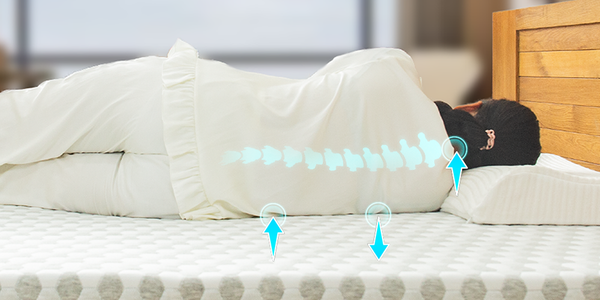
What Firmness Level is Best for Health?
Healthy mattress firmness depends on supporting the natural spine. An ideal mattress balances stability and elasticity, tailored to weight, age, and health status.
Conclusion
Choosing a healthy mattress firmness level is the key to protecting your spine. With quality products from Felix Mattress Company, you can find the perfect mattress for any need. Experience optimal support and complete comfort every night.

